














About Rolling Speed Ball
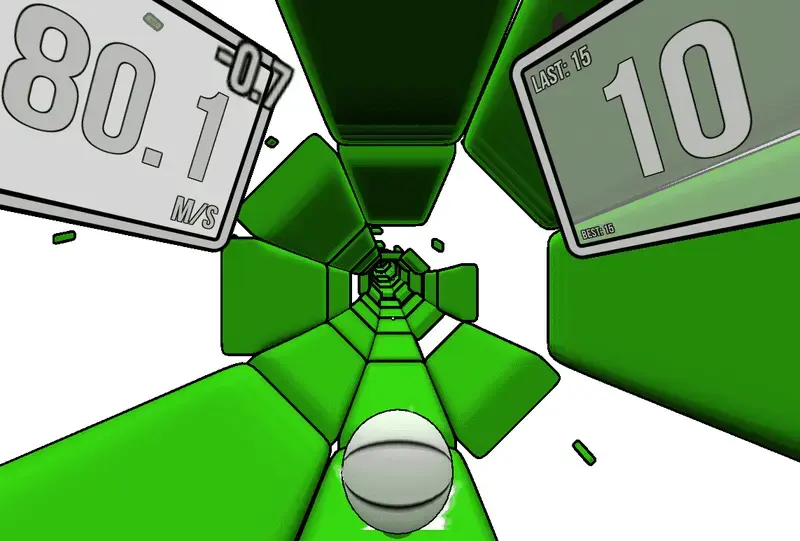
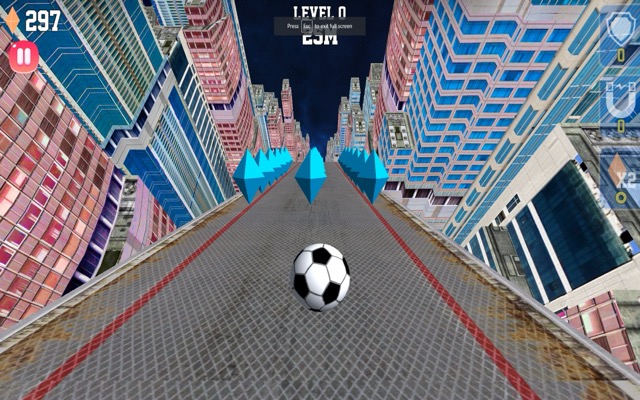
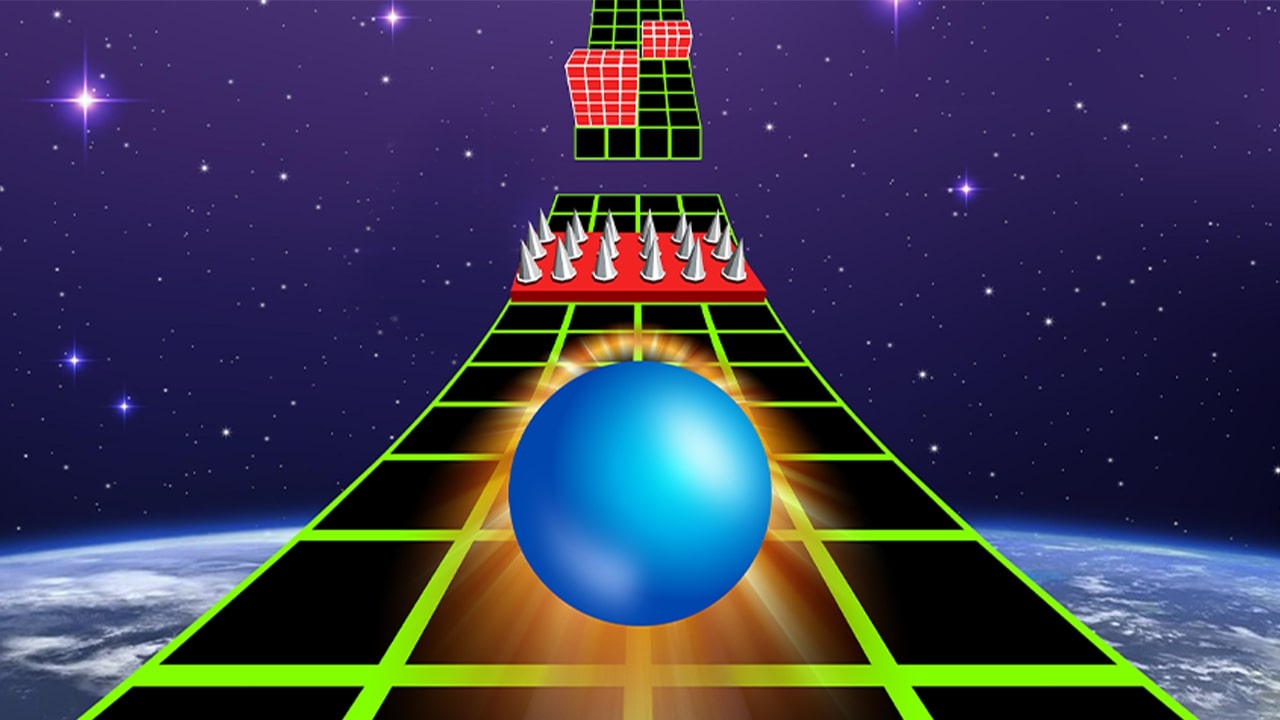
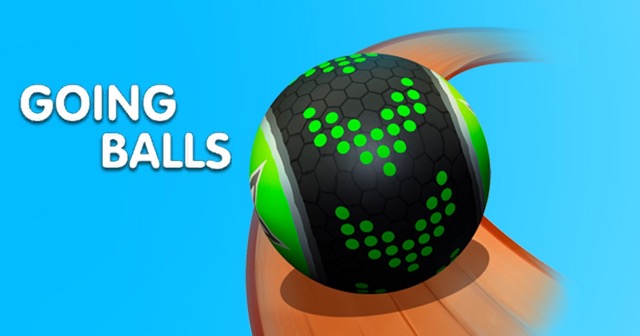
Rolling Speed Ball guides a ball along a narrow obstacle track toward a finish. Turns and barriers make direction changes more demanding as the ball moves through the course. A useful line clears the current obstacle and still gives the ball enough track to approach the next one.
How to Play Rolling Speed Ball
Click or tap to control the ball’s direction as it moves along the route. Prepare the next turn before the narrowest part of the track, and check the surface beyond an obstacle before moving to its far side. Work toward a clean finish before adding unnecessary detours.
Link Consecutive Direction Changes
If a barrier offers openings on both sides, compare where each side leaves the ball for the next turn. For example, passing on the left may be comfortable initially but require a full-width reversal if the outgoing strip connects on the right.
Prepare the first change while the approach is wide enough to adjust, then end it with room for the second. A clean route through both turns can be more reliable than choosing each gap independently at the last moment.
Controls
| Input | Action |
|---|---|
| Mouse click or tap | Control the ball’s direction. |
Practical Tips
- Treat consecutive turns as a sequence: finish the first one with enough room to enter the second.
- When a barrier leaves openings on both sides, choose the opening that leads toward the next connected strip instead of the one nearest the ball.